
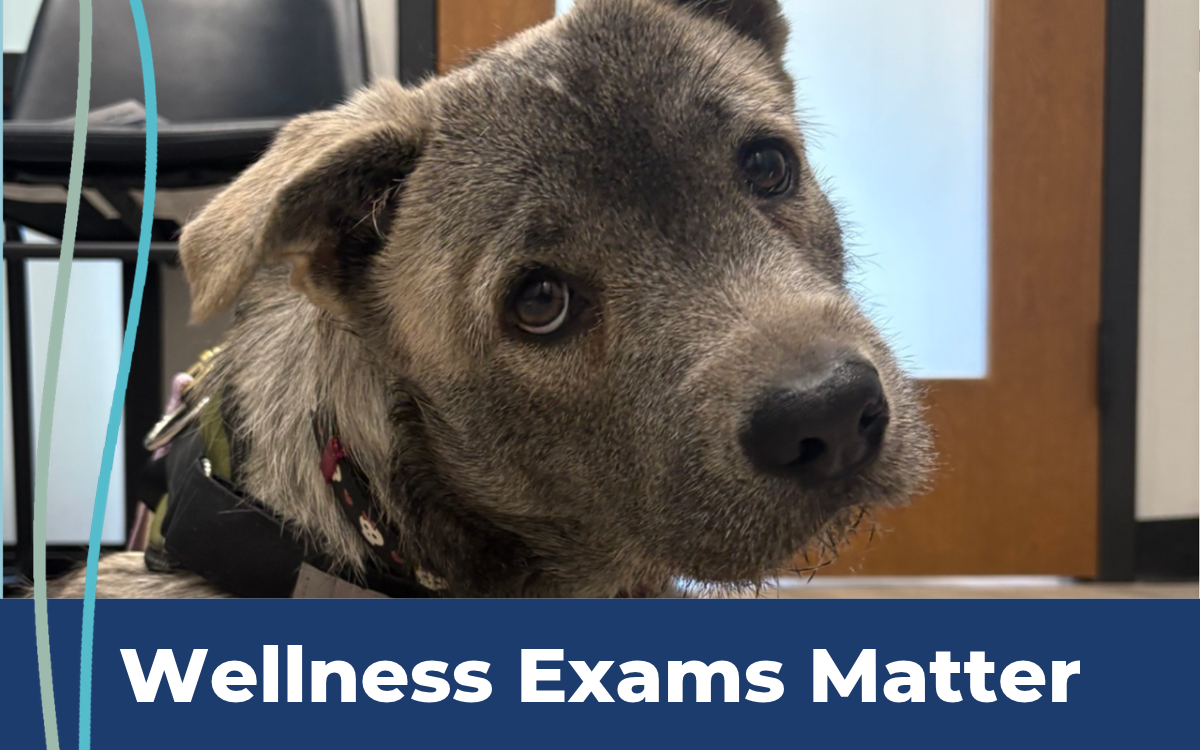
Why Annual Wellness Exams Matter, Even When Your Pet Seems Healthy
When your dog comes running to greet you at the door or your cat stretches out in their favorite sunny spot, it’s comforting to know they’re happy and feeling good. They’re eating normally, enjoying their usual activities, and acting like the pets you know and love, so it’s understandable to wonder whether they really need a trip to the veterinarian when nothing seems wrong.
It’s a question many pet owners have, and the answer comes down to something we believe strongly at River Oak Vet: caring for your pet’s health isn’t just about helping them when they’re sick. It’s about understanding what’s normal for them, recognizing changes early, and helping them enjoy as many healthy, comfortable years with your family as possible.
Dogs and cats can be remarkably good at hiding discomfort, and some health conditions develop so gradually that even the most attentive pet owner might not notice the early signs. That’s why annual wellness exams are such an important part of preventive veterinary care.
At River Oak Vet in Five Forks, South Carolina, we see these visits as an opportunity to do more than check your pet’s physical health. They’re a chance to get to know your pet better, hear what’s been happening at home, and make sure you have the information and support you need to care for your furry family member.
What Happens During an Annual Pet Wellness Exam?
A wellness exam gives us an opportunity to take a closer look at your pet’s overall health, even when everything seems perfectly normal at home. During the visit, your veterinarian will examine your pet from nose to tail, checking for physical changes and discussing any concerns you may have noticed.
A typical wellness exam includes:
- A thorough physical examination: Checking your pet’s eyes, ears, teeth, gums, skin, heart, lungs, joints, and overall body condition.
- Weight and mobility assessment: Looking for changes in weight, muscle condition, or movement that could indicate an underlying concern.
- Preventive care review: Discussing vaccinations, heartworm prevention, flea and tick protection, dental health, and nutrition.
- Age-appropriate screening: Considering bloodwork, urine testing, or other diagnostic tests based on your pet’s age, medical history, and individual needs.
- Time for your questions: Talking about changes in behavior, eating habits, activity levels, or anything else you’ve noticed at home.
We believe the conversation is just as important as the examination itself. You know your pet better than anyone, and the little things you notice at home can provide valuable insight into their health.
We also understand that some pets feel nervous at the veterinarian. Whether your dog needs extra reassurance or your cat prefers a little more time to settle in, our team wants to make the experience as comfortable as possible.
5 Reasons Annual Wellness Exams Are Important
- Catching Health Concerns Before They Become Bigger Problems
One of the greatest benefits of regular wellness exams is the opportunity to identify potential health problems before your pet begins showing obvious symptoms.
Conditions such as dental disease, kidney disease, diabetes, and arthritis can develop gradually. Your pet may still be eating, playing, and behaving normally while subtle changes are taking place. A thorough examination, along with appropriate screening tests, can sometimes reveal concerns that aren’t noticeable at home.
Finding a problem early doesn’t always mean there’s a simple solution, but it may give us more options for managing the condition and helping your pet stay comfortable. At River Oak Vet, we believe families deserve clear explanations, thoughtful recommendations, and the opportunity to understand their choices before making decisions about their pet’s care.
- Recognizing Small Changes Over Time
Nobody knows your pet quite like you do. You know how excited your dog gets when it’s time for a walk, where your cat likes to nap, and which little habits make them who they are. But because you see your pet every day, gradual changes can sometimes be difficult to recognize.
A few extra pounds might not seem noticeable, and a dog who takes a little longer to climb the stairs may simply appear to be slowing down with age. Sometimes those changes are harmless, but other times they can offer important clues about your pet’s health.
Regular wellness visits allow us to compare your pet’s current condition with previous examinations, including changes in weight, mobility, and overall health. This is one of the reasons we value long-term relationships with the families we care for in Five Forks. The better we know your pet, the easier it becomes to recognize when something has changed.
- Staying Ahead of Everyday Health Risks
Preventive care plays an important role in helping pets stay healthy throughout their lives. Rather than waiting for problems to develop, we focus on reducing health risks and making recommendations that fit your pet’s individual needs.
Here in Upstate South Carolina, our warm climate makes parasite prevention especially important. Fleas, ticks, and mosquitoes can pose health risks throughout much of the year, and heartworm prevention is an essential part of protecting dogs in our area.
During your pet’s wellness visit, we’ll review their vaccinations, parasite prevention, dental health, nutrition, and lifestyle to make sure their care plan still makes sense. An adventurous dog who loves exploring local trails may have different needs than an older cat who prefers spending the afternoon curled up on the couch.
Our goal is to help you understand which preventive measures are appropriate for your pet and why they matter, without overwhelming you with unnecessary recommendations.
- Supporting Your Pet Through Every Stage of Life
One of the wonderful things about sharing your life with a pet is watching their personality grow and change over the years. From the endless energy of puppyhood to the quieter routines of their senior years, every stage of life brings different health considerations.
Puppies and kittens need more frequent veterinary visits during their early months to monitor development and establish preventive care. Healthy adult pets generally benefit from annual wellness exams, while senior pets and those with ongoing medical conditions may need checkups every six months or more often.
As pets get older, we pay closer attention to changes in mobility, organ function, vision, hearing, and behavior. It’s easy to assume that slowing down is simply part of aging, but discomfort and certain age-related conditions can often be managed with appropriate veterinary care.
We want to help your pet enjoy every stage of life as comfortably as possible while making sure you feel informed and supported as their needs change.
- Having Time to Ask Questions and Talk Through Concerns
Not every veterinary question comes with an obvious symptom, and you shouldn’t have to wait until something seems seriously wrong to ask for guidance.
Maybe you’ve been wondering whether your pet is maintaining a healthy weight, if their food is still the right choice, or whether a new behavior is something worth watching. Annual wellness exams give us time to talk through those everyday questions without the added stress of an unexpected illness.
At River Oak Vet, we want you to feel comfortable asking questions and sharing concerns, even when you’re not sure they’re important. We believe good veterinary care starts with listening, explaining recommendations clearly, and working together to make decisions that feel right for your pet and family.
How Often Should Your Pet Have a Wellness Exam?
For many healthy adult dogs and cats, an annual wellness exam is a good starting point. However, every pet is different, and the right schedule depends on their age, medical history, and overall health.
Puppies and kittens typically need several visits during their first year, while senior pets and animals managing chronic conditions may benefit from examinations every six months. Your veterinarian can help determine the most appropriate schedule based on your pet’s individual needs.
It’s also important to remember that a wellness exam is a snapshot of your pet’s health at a particular moment. If you notice changes in appetite, drinking habits, bathroom routines, mobility, or behavior between visits, don’t feel that you need to wait until their next scheduled appointment to reach out. Sudden or severe symptoms, such as difficulty breathing or collapse, require immediate veterinary attention.
Simple Ways to Care for Your Pet Between Wellness Visits
While routine veterinary visits are important, much of your pet’s everyday health begins at home. You don’t need to become an expert in veterinary medicine to make a meaningful difference. Simply knowing your pet’s normal habits and paying attention when something changes can be incredibly helpful.
A few simple ways to stay involved in your pet’s health include:
- Watch their daily habits. Pay attention to changes in appetite, water consumption, bathroom routines, and behavior.
- Monitor weight and activity. Gradual weight changes, stiffness, or reduced interest in favorite activities may be worth discussing.
- Stay consistent with preventive care. Follow your veterinarian’s recommendations for parasite prevention, vaccinations, dental care, and nutrition.
- Keep track of questions or concerns. Make a note when something unusual happens, including when it started and how often it occurs.
- Reach out when something feels different. You know your pet best, and it’s always worth asking if you’re concerned about a change.
Your observations at home, combined with regular veterinary care, help us make better-informed decisions about your pet’s health.
Why Having a Veterinarian Who Knows Your Pet Matters
There’s something comforting about having people in your life who know your family, remember the little details, and genuinely care about how everyone is doing. We believe that same sense of connection belongs in veterinary medicine.
When your veterinarian knows that your dog gets nervous around unfamiliar people, that your cat needs extra patience during an examination, or that your senior pet has been managing a health condition for years, it helps us provide care that considers who your pet is, not just what’s written in their medical record.
As a locally owned veterinary hospital in Five Forks, South Carolina, River Oak Vet was built around the belief that relationships come first. We want families to feel comfortable sharing their concerns, asking questions, and being honest about what they’re experiencing, especially when they’re facing difficult decisions about their pet’s health.
Dr. Brandon Adley’s background in emergency medicine brings valuable experience to our team and reinforces our commitment to helping families understand their options, even when situations are complicated. Whether we’re discussing routine preventive care or navigating a more challenging health concern, we believe you deserve thoughtful guidance, compassionate communication, and a team that’s willing to take the time to listen.
Because good veterinary care isn’t just about knowing medicine. It’s also about knowing the pets and people we’re caring for.
Helping Your Pet Enjoy More Healthy Years Together
When your pet is happy, playful, and acting like themselves, scheduling a wellness exam might not feel particularly urgent. But those routine visits are an opportunity to understand their health today, recognize changes over time, and make thoughtful decisions that support their well-being in the years ahead.
At River Oak Vet, we’re grateful to care for pets and families throughout Five Forks, Simpsonville, and the surrounding South Carolina communities.