
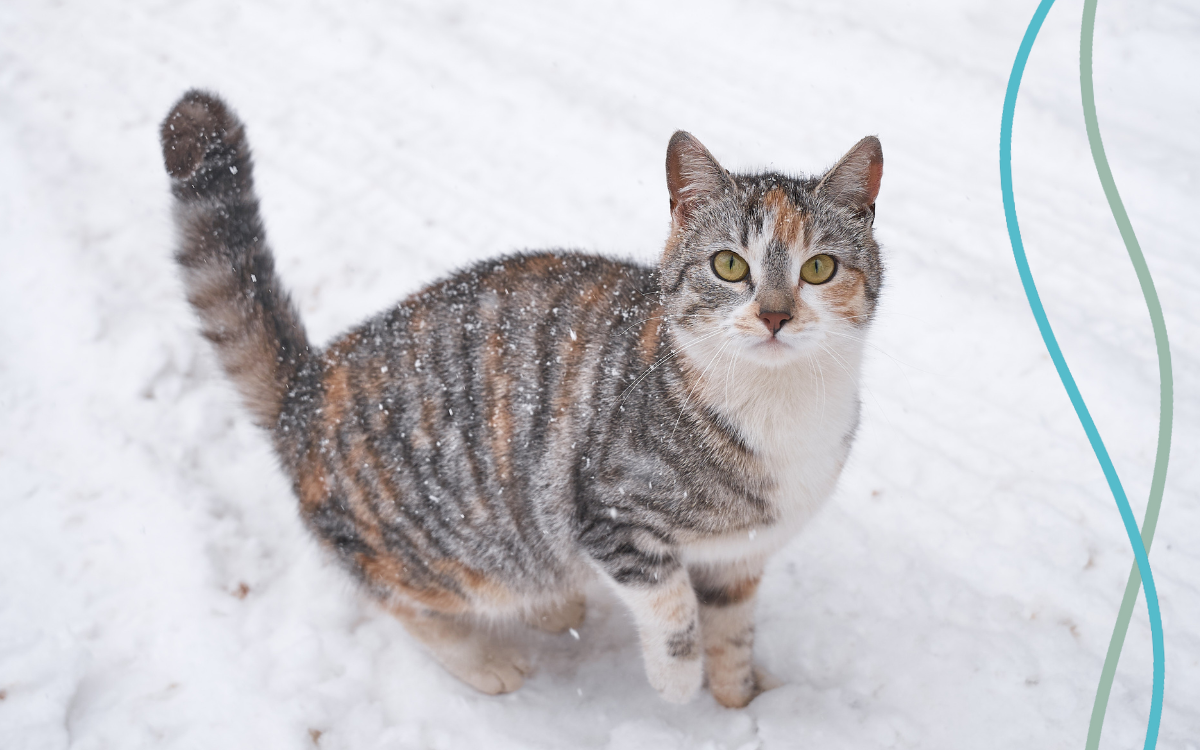
As temperatures drop here in Five Forks, SC, many pet owners find themselves asking: How cold is too cold for my dog or cat? While our winters are generally mild, sudden cold snaps can still pose serious risks to your pet’s health and comfort.
At River Oak Vet, we’re here to help you navigate winter pet care with confidence. In this article, we’ll cover outdoor safety guidelines, how to recognize the signs of hypothermia, and what you can do to protect your pets during colder months.
Understanding Cold Weather Tolerance
Not all pets are affected by cold weather in the same way. In general, healthy adult dogs and cats can tolerate temperatures above 45°F for short periods. Once temperatures dip below 45°F, certain pets—especially small breeds, short-haired dogs, seniors, and cats—may start to feel uncomfortable or even at risk.
Below 32°F, the potential for cold-related issues increases, especially with wind chill or wet fur. At temperatures below 20°F, the risk of hypothermia and frostbite becomes significant for all pets, including larger breeds. In Five Forks, early mornings during January and February can occasionally drop into this range, so it’s important to be cautious.
Signs of Hypothermia in Pets
Hypothermia occurs when a pet’s body temperature drops below the normal range. It can become a life-threatening emergency if not addressed quickly. Common signs to watch for include shivering, cold ears or paws, slowed movements, lethargy, whining, weakness, or pale or blue gums. If you observe any of these symptoms, bring your pet indoors immediately and contact our clinic for guidance.
How to Keep Your Pet Safe During Winter
For dogs, a warm coat or sweater can help retain body heat, particularly for smaller or short-haired breeds. Protective booties or paw balm can shield their feet from cold surfaces and irritation from road salts. Try to limit outdoor walks on particularly cold days, and dry them thoroughly when they come inside.
For cats, the safest option is to keep them indoors during winter. Even cats that usually roam outdoors are at risk for frostbite or may seek shelter in unsafe places like car engines. Always tap on your car hood or honk the horn before starting the engine, especially on cold mornings, as cats may crawl under the hood or into the fender well to stay warm. These hidden spots can be extremely dangerous and lead to injuries such as burns, trauma from belts or fans, and even fatal accidents.
Indoors, be mindful of where cats like to hide. Clothes dryers, for example, are warm and tempting, but extremely hazardous. Before using your dryer, always check inside the drum. If a cat crawls in unnoticed, it could suffer from heat stroke, burns, corneal damage, or severe trauma.
Make sure cats have a warm, quiet spot inside to rest—away from drafty areas, open flames, or heat sources like space heaters that can be risky when unattended.
A Quick Note About Cars
Just as cars can quickly overheat in summer, they can also become dangerously cold in the winter. Leaving your pet unattended in a parked vehicle—even for a short time—can lead to rapid heat loss and hypothermia. Always take your pet with you or leave them safely indoors when running errands during winter weather.
Final Thoughts
Cold weather safety isn’t just a concern for regions with heavy snowfall. In Five Forks, even a few cold days can present real health risks for pets. When in doubt, it’s best to keep outdoor time brief and provide your pets with a warm, safe indoor space.
If you have questions about your pet’s winter health or would like to schedule a wellness exam, contact River Oak Vet. We’re proud to serve the Five Forks community and are here to help your pets stay healthy and happy all year long.